Our Creative Curriculum
We draw upon many different philosophies at Serenity Islamic Preschool, but are particularly inspired by the Reggio Emilia philosophy and creative curriculum. We begin with a deep respect for the child, their individuality and unique abilities. Our children are encouraged to learn through play as they explore their relationship to their environment, families, teachers, and other children. Our classrooms engage in extensive project work with units of study from Creative Curriculum.
Our Daily Schedule
Morning Routine
8:00 AM - 8:30 AM: Arrival and Free Play
8:30 AM - 9:00 AM: Morning Circle Time
Activities include greetings, sharing, and a short discussion of the day's theme.
Late Morning Activities
9:00 AM - 9:30 AM: Islamic Studies
Focus on basic Islamic concepts, stories of the Prophets, and learning simple Duas.9:30 AM - 10:00 AM: Language Development
Storytime and phonics activities.10:00 AM - 10:15 AM: Snack Time
Healthy snacks provided; children are encouraged to practice sharing and gratitude.
Mid-Morning Learning
10:15 AM - 11:00 AM: Art and Craft
Creative projects related to Islamic teachings and cultural education.11:00 AM - 11:30 AM: Outdoor Play
Physical activities promoting motor skills and teamwork.
Lunch and Rest
11:30 AM - 12:15 PM: Lunch
Children enjoy a nutritious meal, with a guided thanks (Bismillah).12:15 PM - 1:00 PM: Quiet Time/Rest
Time for children to relax or nap.
Afternoon Sessions
1:00 PM - 1:30 PM: Cooperative Play
Structured playtime focusing on social skills and cooperation.1:30 PM - 2:00 PM: Math and Science Exploration
Hands-on activities that encourage curiosity and basic understanding of concepts.2:00 PM - 2:30 PM: Closing Circle
Reflecting on the day, sharing experiences, and learning about the upcoming day.
Departure
2:30 PM - 3:00 PM: Parent Pickup and Departure
Parents arrive for pickup as children share what they learned and created during the day.
This schedule aims to support children's spiritual, social, emotional, and cognitive development in an Islamic context.
-
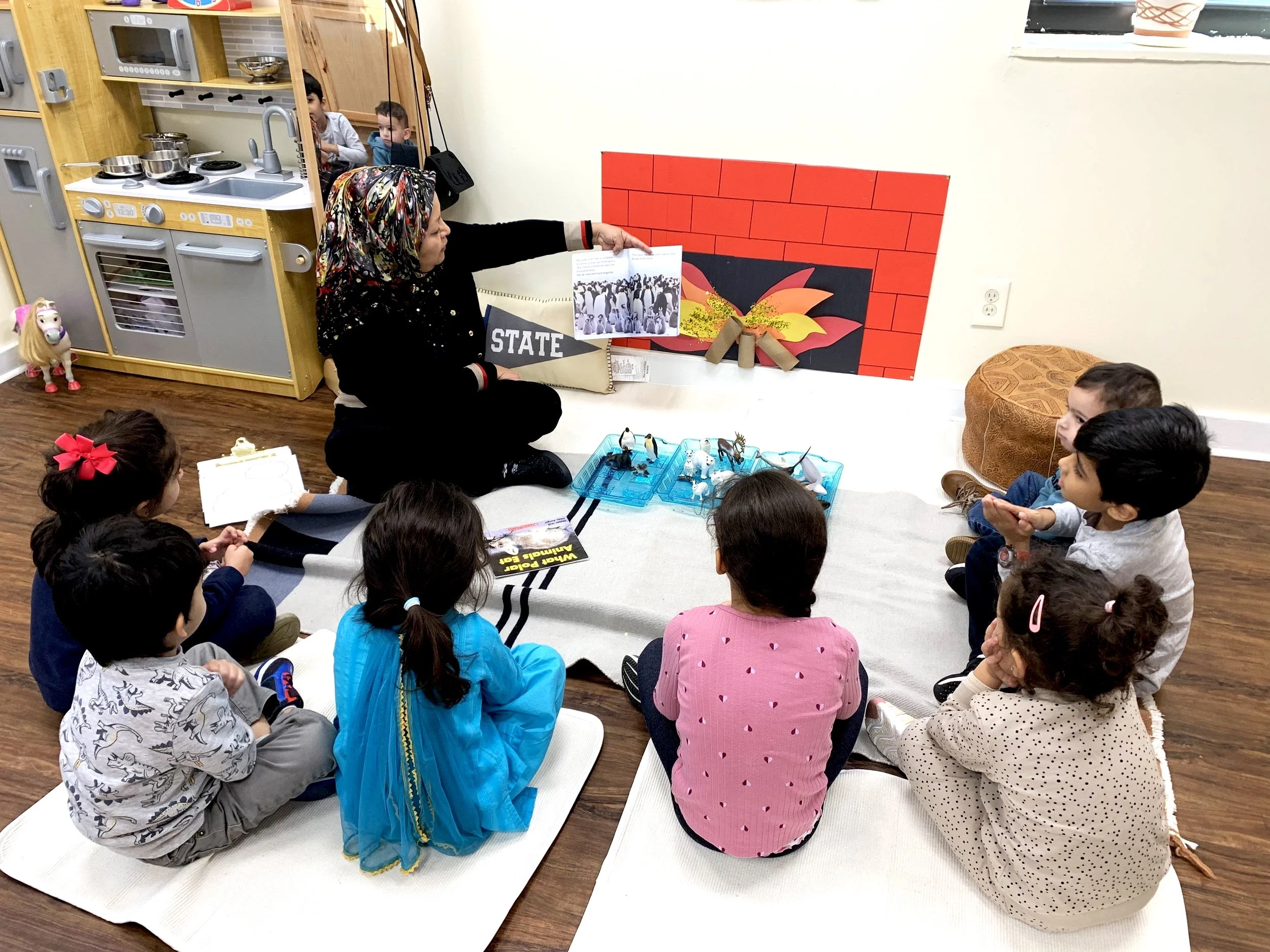
The children are exposed to rich language and literacy experiences every day. The classrooms are intentionally designed as print and symbol-rich environments. Through listening to stories, the dramatization of stories, book making, and dictations, the children develop many skills including oral language skills, the connection between the spoken and written word, phonological awareness, alphabetic knowledge and conventions of print.
-
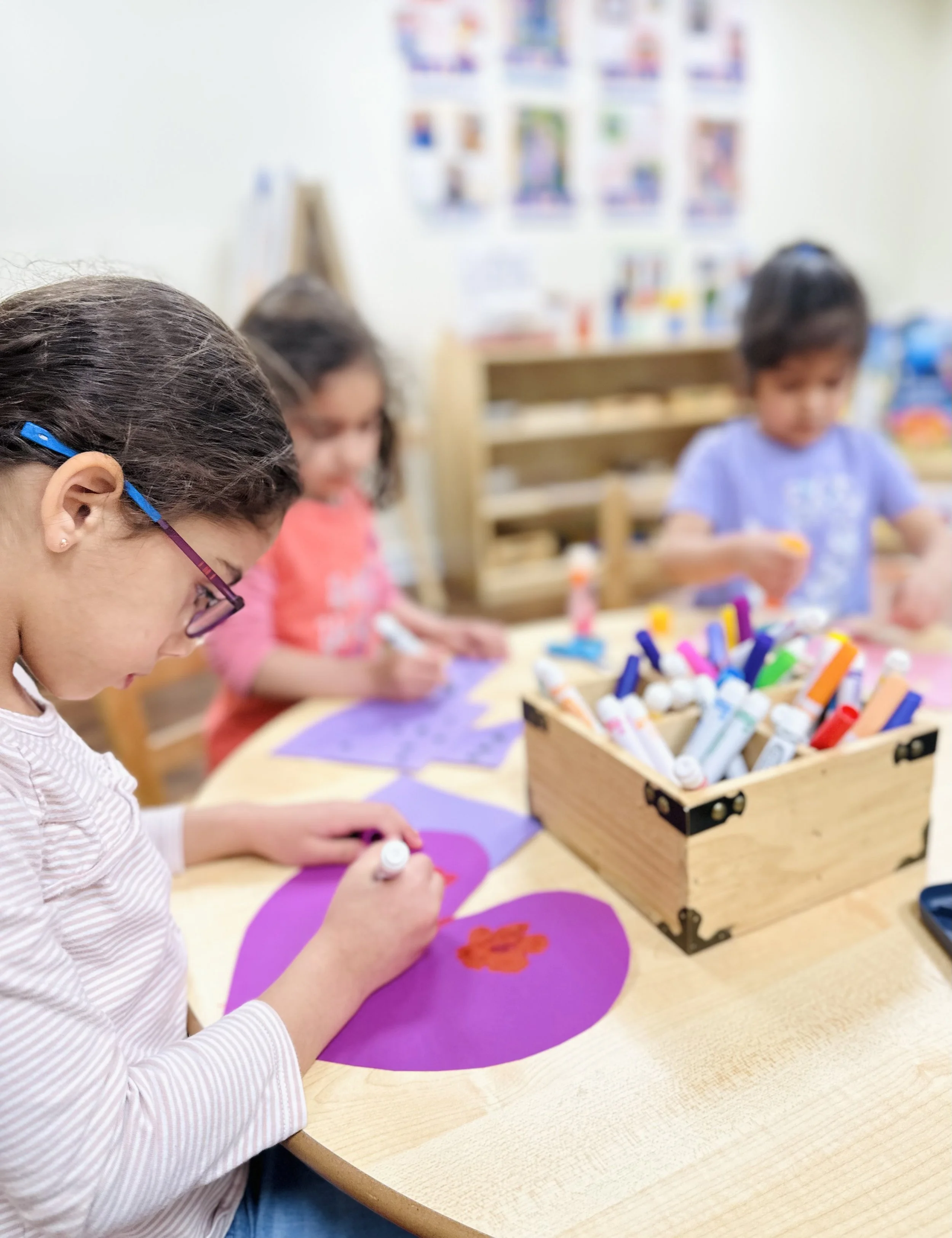
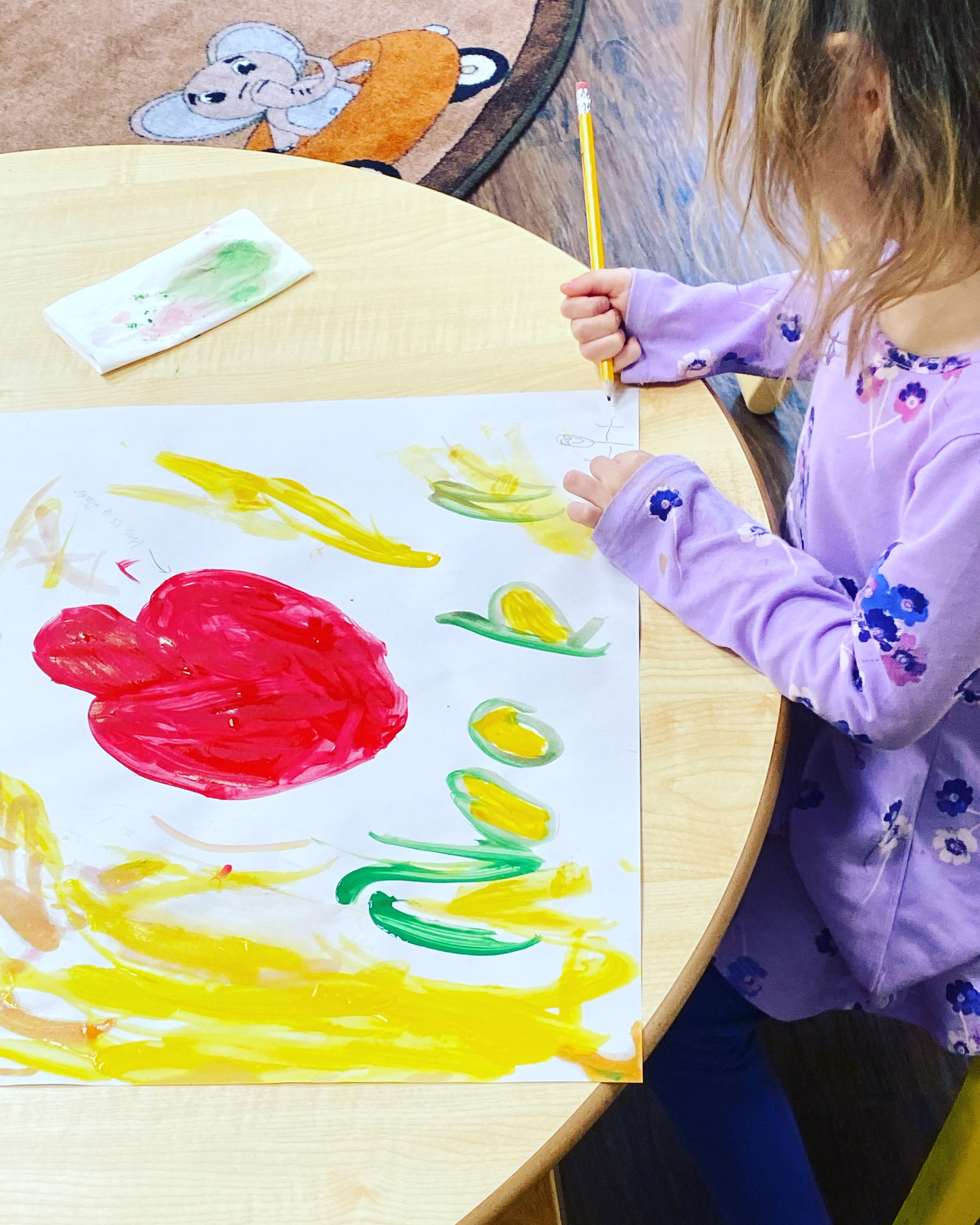
The art program at Serenity focuses on the creative process rather than the product. Projects are child-directed and celebrate the experience of discovery. Children work with a variety of art materials to express their experiences, feelings and ideas. As children use familiar materials over time, they develop increasing dexterity, creativity and skill.
-
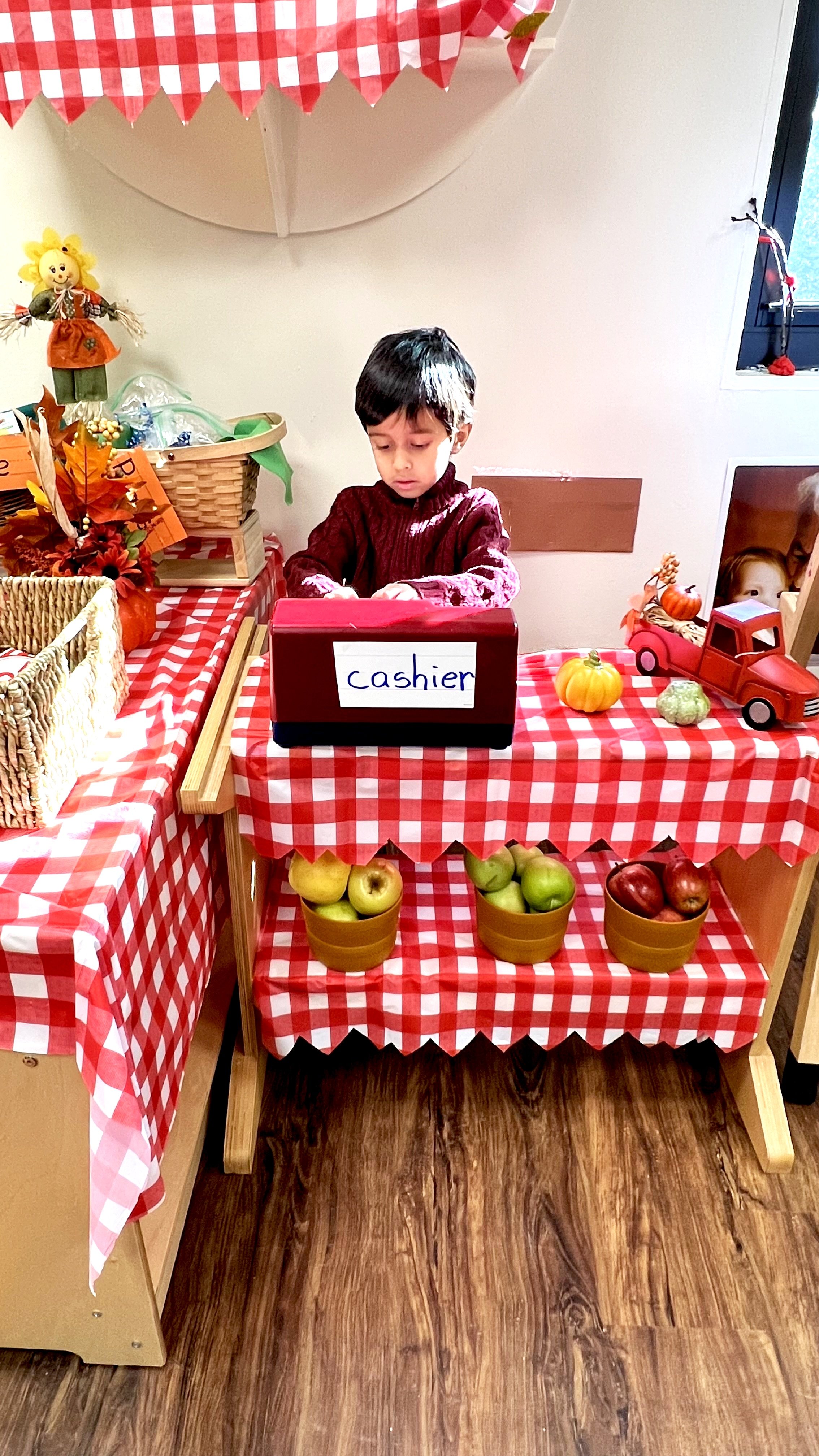
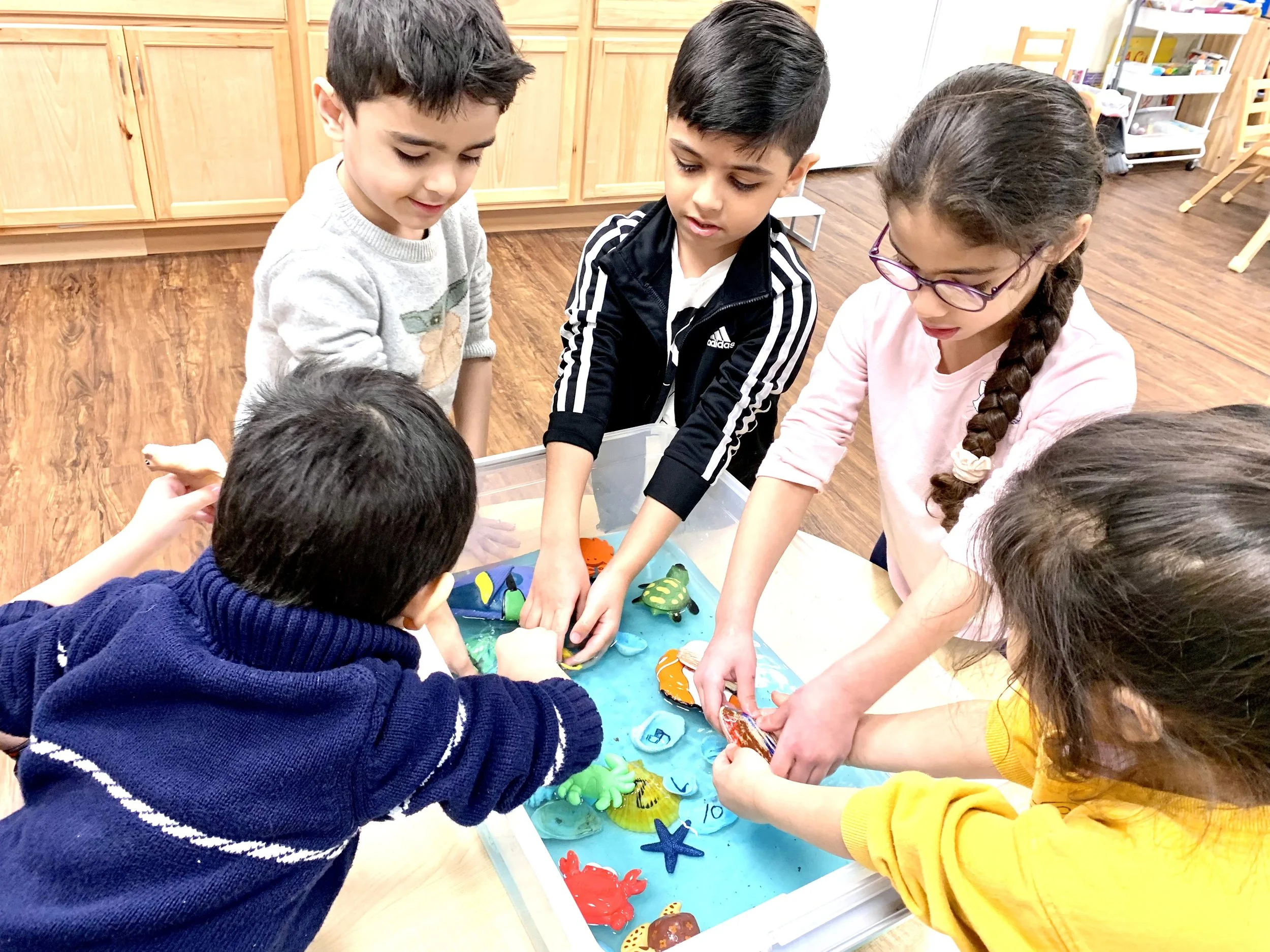
We help children develop awareness of self and family and become active participants in the larger community. Children learn to accept diversity as they read or hear about various cultures and traditions. Topics include: What do you know about yourself as a baby and now as an older child? Who are the people in your family? What do they do? What are the jobs of people in the community? What are some of the rules in your home, school and communtiy? How do you make and keep a friend? How can we respect and care for our world? How are we alike? How are we different?
-
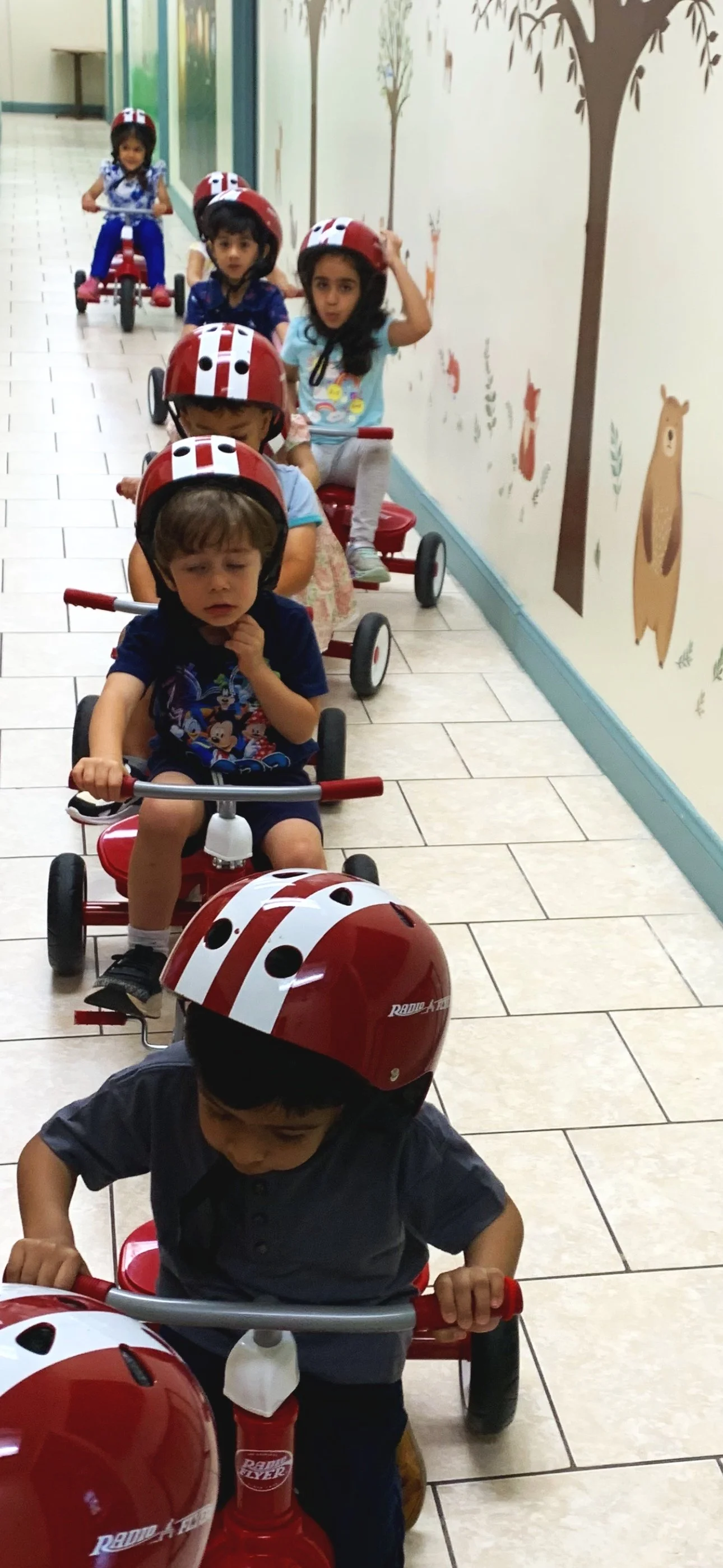
Social and emotional skills are the tools both children and adults use in social interactions to manage everyday emotional responses and make responsible decisions. Preschool social-emotional skills include self-awareness, social awareness, the ability to cooperate with others, manage feelings, feel and show empathy for others, establish healthy relationships, focus attention and persist at challenging tasks. These skills are emphasized at Serenity Islamic Preschool and given intentional support because they are critical for long-term school and life success.
-
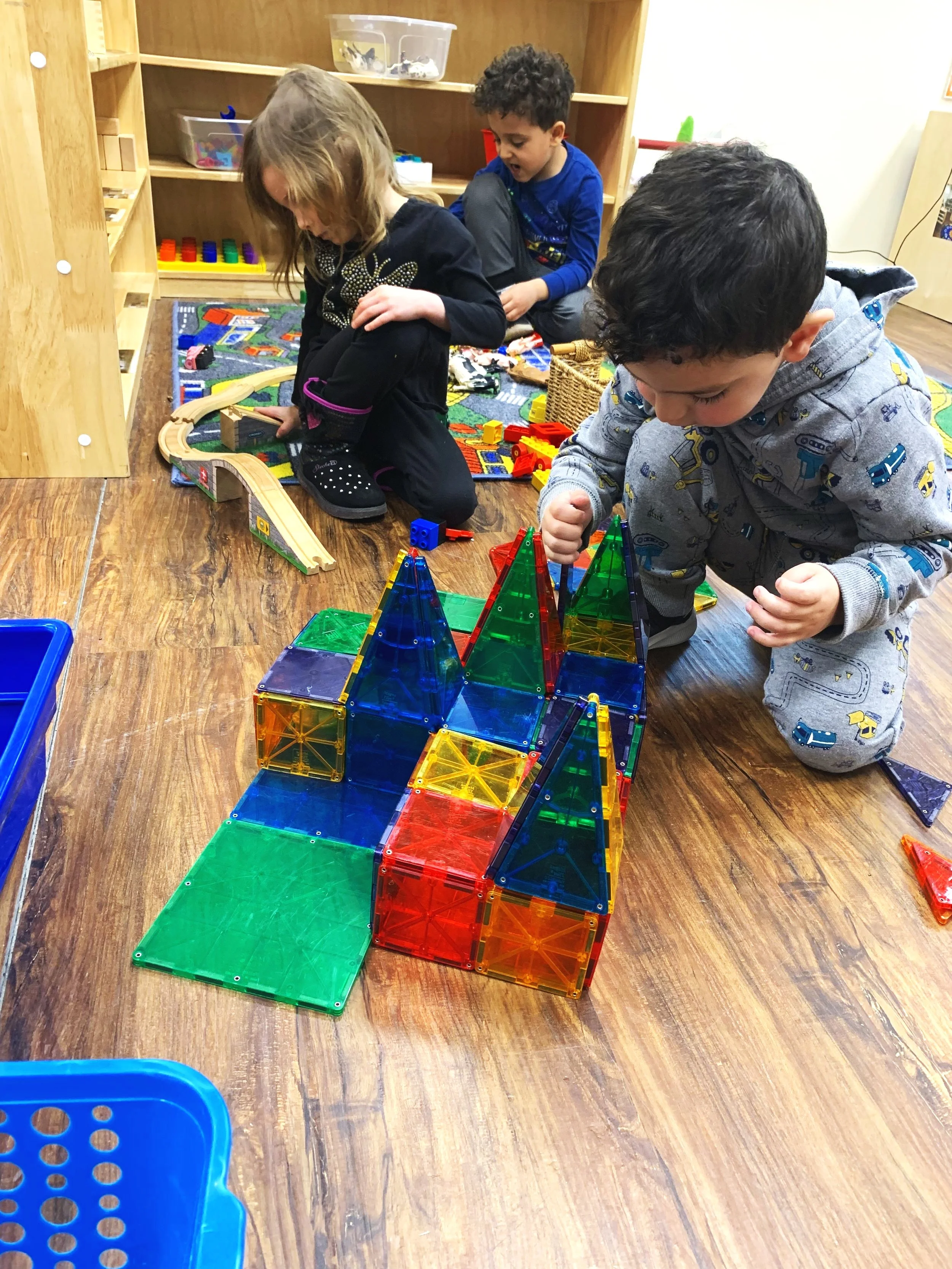
Physical activity is an important component of every child’s learning experience at Serenity. Movement increases blood flow to the brain, improving concentration, memory, and cognitive skills. Active children often show better focus in school. Physical activity releases endorphins, reducing stress and anxiety while boosting mood. It provides a healthy outlet for energy, helping children learn to manage their emotions and behaviors.
-
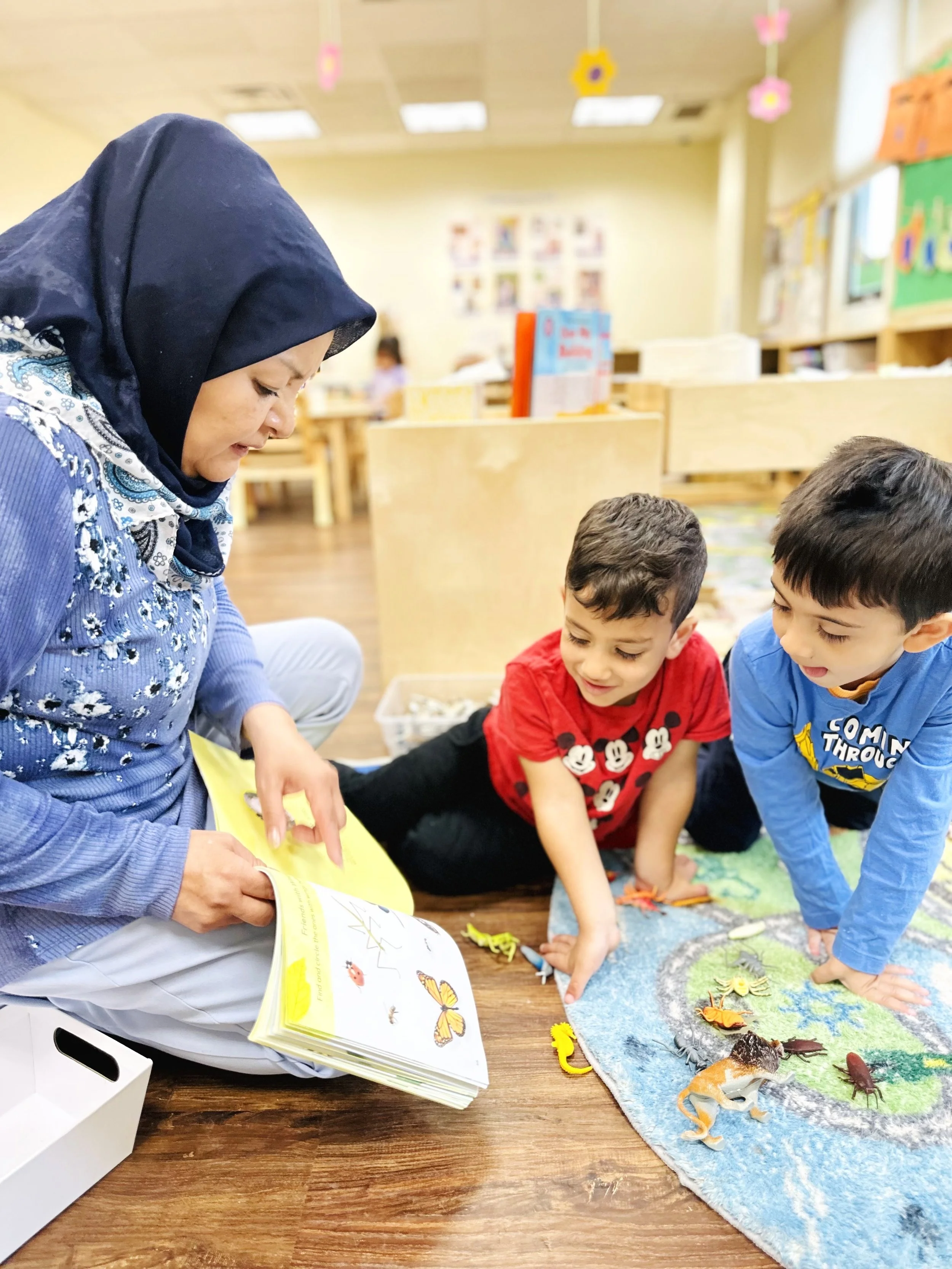
Mathematical concepts are integral to the curriculum at all age levels. Through the manipulation and exploration of a wide range of materials, children gain an understanding of counting and number sense, basic addition and subtraction, sorting, patterning, comparing, sequencing, classifying and estimating. Teachers use charts, graphs, books and songs to support the children's math skills. Conceptual learning takes place in the context of play through activities such as cooking, counting games, block building and group meetings. One of our goals is to help children think mathematically and use language to describe, reason, and predict ideas and solutions.
-
The children are exposed to rich language and literacy experiences every day. The classrooms are intentionally designed as print and symbol-rich environments. Through listening to stories, the dramatization of stories, book making, and dictations, the children develop many skills including oral language skills, the connection between the spoken and written word, phonological awareness, alphabetic knowledge and conventions of print.
-
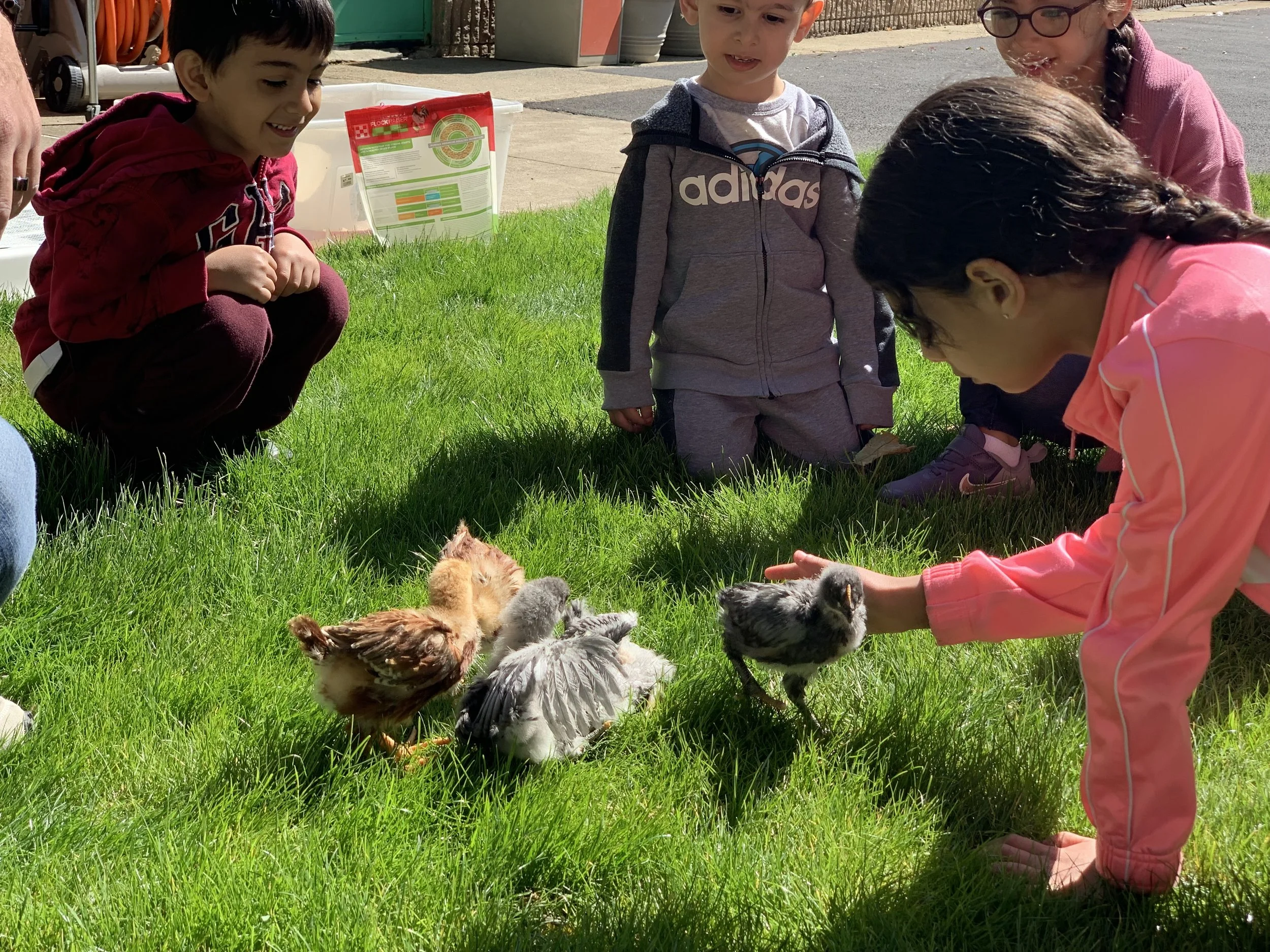
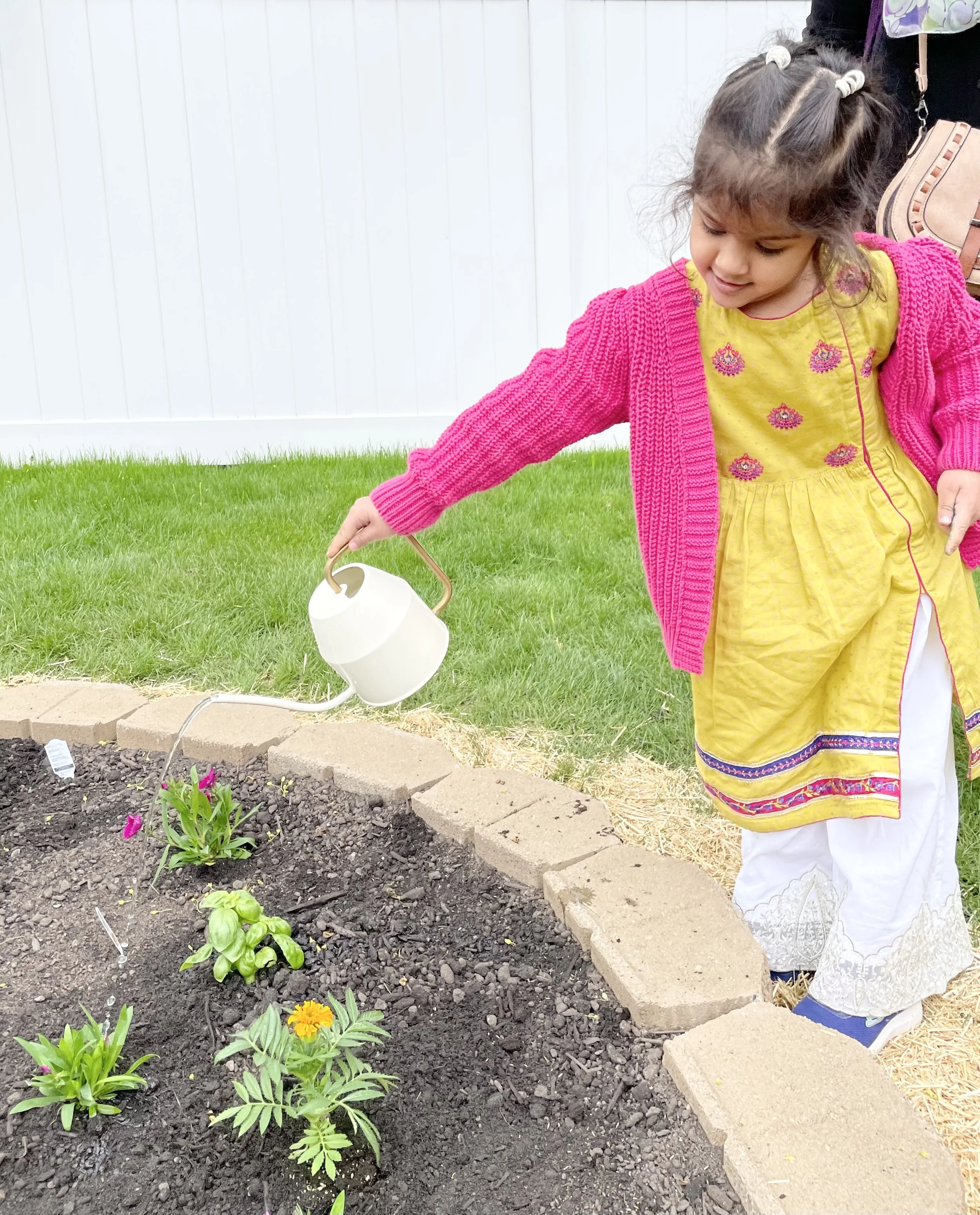
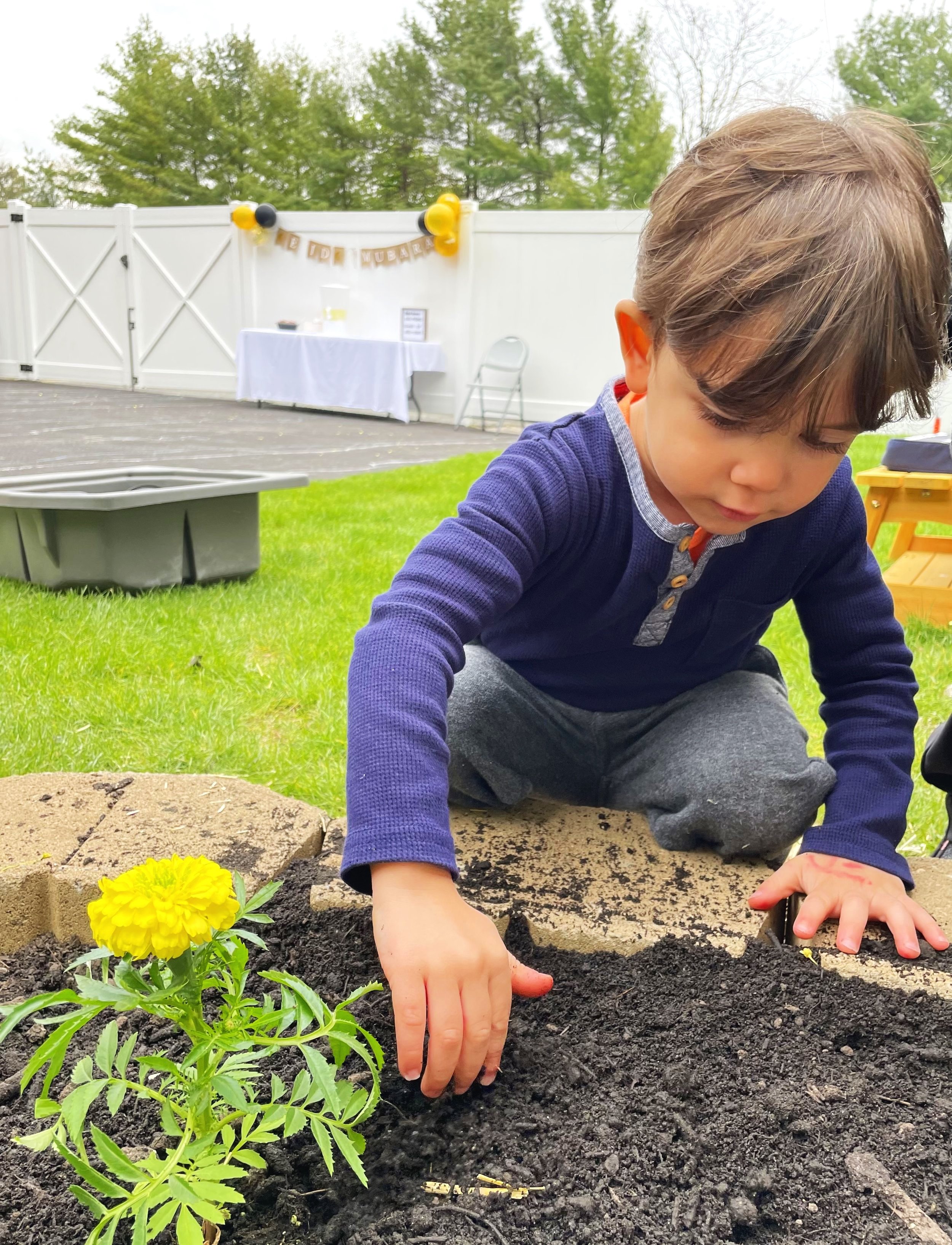
Children are naturally curious about the world around them. Our program emphasizes “discovery” as a way of gaining information. The children are provided with a variety of materials and experiences that allow them to use the scientific method of asking questions, making observations, forming a hypothesis, experimenting and drawing a conclusion. Science concepts include cause and effect, balance, measurement, nature, seasons and weather. Through activities such as, cooking, planting, the care of pets, and recycling of materials, children gain respect and a sense of responsibility for their environment.